
A Journal of Radical, Rooted, Relational Herbalism

“For lovers of weeds and wildflowers.
For those who honour plants as kin and those working to make change at the root.”
About Wort Journal
‘Wort’ is an old word for a plant used as food or medicine.
It describes plants that feed and heal us. The ones that maintain and make us whole.
People have had this special relationship with some plants for as long as people have been around.
‘Wort’ names a relationship fundamental to human existence.
This journal is for lovers of weeds and wildflowers. It is for those who honour plants as kin and those working to make change at the root.
Each issue collects contributions from persons working in ways that resonate with the long traditions of world-entangled, community-embedded folk herbalism.
Wort platforms plantwork that is deeply holistic and intersectional. Plantwork that roots itself in the heritage of common knowledge and in relationship with the land.
Beautifully illustrated with pen and ink drawing throughout.
“We want plant medicine to be common knowledge and practice again everywhere.
Nature is for all of us, because all of us are part of nature. Herbalism as the people’s medicine. Plantwork as resistance.”
Project Aims
Project Values
1. Nurturing Networks
This project gives voice to persons working with medicinal plants in ways that resonate with the community-embedded, vitalist traditions of folk herbalism, with the aim to support and inspire a growing movement of everyday herbal practice.
2. Pushing the Narratives
Herbalism has always been political, deeply bound with histories of colonial, class and gender violence, repression and theft. Modern ‘Western’ herbalism is equally shaped by this colonial inheritance: of private land ownership; of profit-driven healthcare industries, of social injustice; of institutionalisation and boundarying of access; of accelerating ecocide. This project aims to make visible and openly explore herbalism’s political threads.
3. Honouring Herbal Heritage
This project celebrates all folk herbal lineages, in all of their diversity, alongside specialised knowledge and the precision of science, whilst also critiquing the rationalist scientific drive to mechanise the vital, living earth and separate us from it. It encourages taking pride in these traditions as a part of our cultural identities and the recognition of folk knowledge as wisdom; seeking to make space for herbalism within the canon of folk arts.
4. Reclaiming Herbal Commons
We reject the corporate healthcare and wellness industries or herbalism as a middle-class alternative therapy. We reject State-sanctioned legitimacy. We want plant medicine to become common knowledge and practice again everywhere. We want all people empowered with the knowledge to work with local plants safely to meet simple health needs. Reclaiming power from the pharmaceutical industry. Fostering community resilience to capitalist extractivist systems. Fostering ecological resilience: cultivating reciprocal relationships with the lands that nurture us; conspiring for a plant-led future. And we want for everyone to have the opportunity to know, love and value the wild plants and weeds that grow at our feet – in all of their beauty and wonder and joy. Nature is for all of us, because all of us are part of nature. Herbalism as the people’s medicine. Plantwork as resistance.
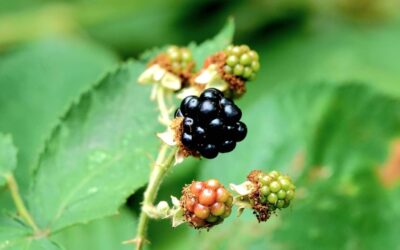
Bramble is a Commons
by Hannah-May Batley and Leo El-Qawas. Bramble’s provocations to remember and reconnect to ways of being in common. Bramble as a medicine for these times.
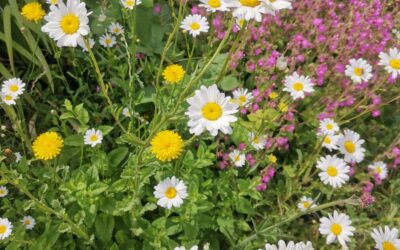
Plants in British Gardening Culture: The Stories We Tell
by Nicky Buley. How do we talk about plants? Why does this matter? A critical look at the language of British gardening culture and its implications.
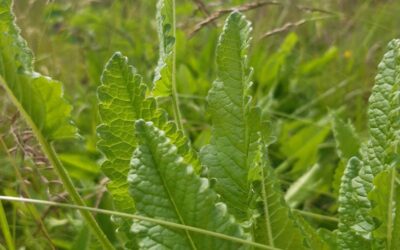
Field Notes: Midsummer
By James White. Harvesting Wood Betony in leaf for fermented tea and untangling the received wisdom of its European lineage.